Strong Sitting
So many children have been caught up in the busy-ness and chaos of life that they no longer know how to find their internal power and internal voice. Some experts warn that our society may be over-encouraging the development of quick responses and mental multi-tasking in young people at the expense of equally valuable life skills: planning, thinking things through, and predicting the consequences of actions (Bloom, Floyd). The children’s brain development is not yet mature enough to offer much help in setting priorities or in weighing that it may not be possible to do all these things.
Strong sitting is a tool in the form of exercise developed by therapeutic foster parent Nancy Thomas of Colorado. It is a time to allow refocusing, a shifting of gears, a time allowed to go to the “think within spot”. This time can be used to rethink one’s actions, set goals, meditate, plan, pray, develop new ways of behavior, or just to “float” in one’s head. It is a time set aside to teach and encourage the child to learn to quiet themselves, sit with themselves, and calm themselves.
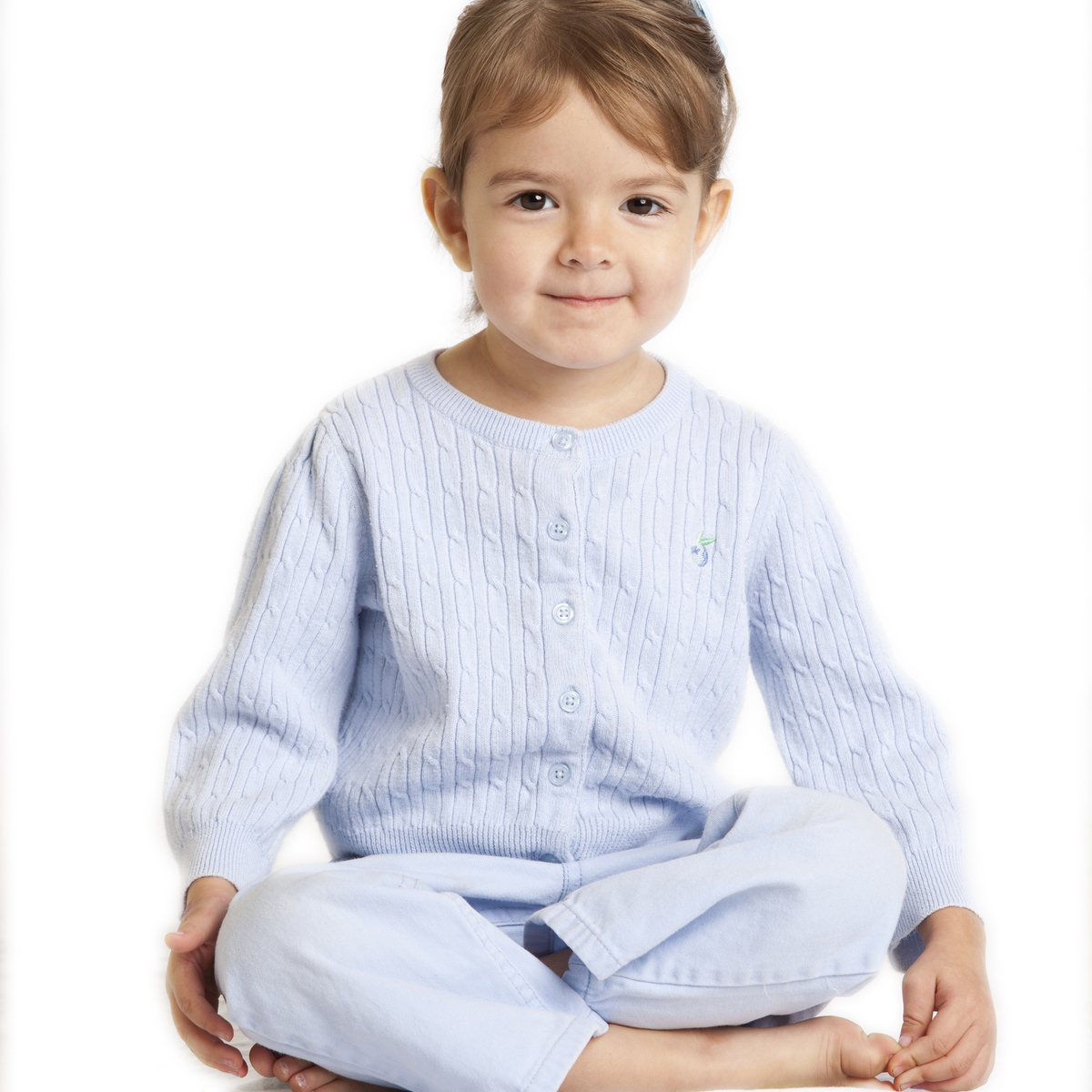
To do strong sitting, the child sits cross-legged, back straight, with hands resting comfortably on his knees. The arms will be relaxed, the neck straight with the head facing forward. The back must be held straight to allow air to flow to the brain most freely. He faces a blank wall. Nothing should be moving and the child should not be talking. The parent will begin timing the strong sitting after the child is still. We work towards one minute per year of age and double this if the child has Attention Deficient Hyperactivity Disorder. Yes, children with Attention Deficit Hyperactivity Disorder are very able to do this and in fact, benefit greatly from learning the skill and discipline of this exercise.
The parent sets up asking the child to do the strong sitting and also when the child is done with it. Although it can appear to be similar to a time out, it is much more active in what it sets up for the child. It is not used as punitive, although getting to the point where they will do strong sitting when asked may take some intervention on the parent’s part. The exercise can be used as an intervention in disruptive behavior. The quiet sitting is time that allows the child to come up with the appropriate responses without parental suggestions.
Once this skill is learned, it can be implemented in many ways to enhance the child’s well-being. It will help the child to develop strategies for better coping mechanisms, teach children to visualize themselves being successful at a task coming up, allow time to re-think certain actions, permit time to back away from chaos and regroup, and enable the child to draw on internal strength and energy.
We have taught children as young as three years old to do strong sitting and implemented it all the way up through the teenage years. I usually sit with the child in therapy to teach them how to do it while the parent watches. Very often when we are done with just a few minutes, the child states that it really felt good. Our children need to learn to just “be” more. Consider shutting off the T.V.s , game boys, and X-Boxes or at the very least, limiting them. These are very stimulating, not interactive with people, and not good for brain development. Give the child a coping mechanism and a lifelong gift that can teach him how to be with himself, be calm, and “think within”.
Tags: an exercise in mindfulness, helping children to regulate, strong sitting, using strong sitting to help children redirectABOUT THE AUTHOR
Janie Pfeifer Watson
Licensed Independent Clinical Social Worker
Licensed Independent Mental Health Practitioner- Janie Pfeifer Watson, LICSW, is the founder and director of Wholeness Healing Center, a mental health practice in Grand Island, Nebraska with remote sites in Broken Bow, Kearney, Ord and Albion. Her expertise encompasses a broad range of areas, including depression, anxiety, attachment, coaching, couples work, mindfulness, trauma, and grief. She views therapy as an opportunity to learn more about yourself as you step more into being your authentic self. From her perspective this is part of the spiritual journey; on this journey, she serves as a mirror for her clients as they get to know themselves—and, ultimately, to love themselves.
LATEST ARTICLES BY Janie Pfeifer Watson
Subscribe today
Sign up to receive the latest mental health tips and inspiration